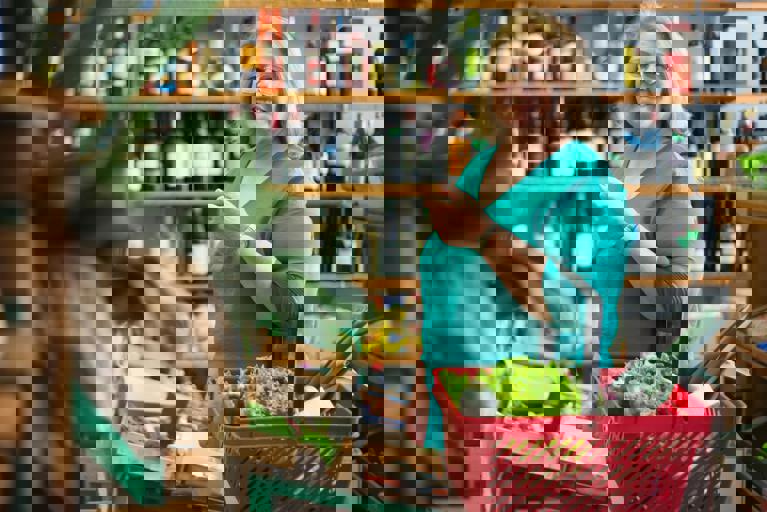
In a significant move set to reshape the national retail landscape, one of the country’s largest grocery chains has announced a sweeping commitment to stock exclusively fair-trade certified coffee in all of its stores by the end of the year. This strategic decision comes as part of a broader initiative to respond to growing consumer demand for ethically sourced goods, placing the retailer at the forefront of responsible business practices in the Canadian marketplace.
The announcement, made at a well-attended press conference by the company’s CEO, comes amid increasing public scrutiny of supply chain ethics and sustainable sourcing. According to recent industry studies, more than 60% of Canadian consumers say they factor ethical certifications into their purchasing decisions, specifically citing fair-trade products as a top priority. The company contends that this move aligns with shifting consumer values and evolving market expectations.
Fair-trade certification ensures that coffee farmers receive a fair price for their beans, adhere to strict environmental standards, and benefit from safer working conditions. Industry experts believe this policy shift could impact thousands of smallholder coffee producers across Latin America, Africa, and Asia, many of whom rely on large supermarket contracts for their livelihoods. "This decision could serve as a model for other retailers in Canada," says Isabelle Tremblay, an analyst at the Canadian Ethical Trade Association.
Transitioning to exclusively fair-trade coffee is not without challenges. The supply chain overhaul required is immense, as existing contracts with non-certified suppliers will need to be renegotiated or phased out entirely. The company has already initiated discussions with current vendors, offering them resources to help achieve fair-trade certification. Early reactions from suppliers have been mixed, with some lauding the initiative and others expressing concerns over certification costs.
From a consumer standpoint, the impact of the new policy is expected to be noticeable both on store shelves and at the cash register. While the company has pledged to minimize price increases, industry observers anticipate modest rises in retail coffee prices due to higher fair-trade premiums. "We believe consumers are willing to pay a little more to ensure their cup of coffee supports farmers and sustainable practices," stated the grocery chain’s chief sustainability officer during the announcement.
Advocacy groups have praised the grocery giant’s commitment, calling it a win for social justice and environmental stewardship. Fair-trade organizations argue that increased demand for certified beans incentivizes better farming practices, supports health and education initiatives in coffee-growing regions, and helps mitigate deforestation. “Retailers have enormous influence,” said Mark Gilmore, director of Fairtrade Canada. “Moves like this have the potential to drive transformative change throughout the industry.”
Competitors will likely feel pressure to follow suit, as changing consumer expectations and media attention focus on supply chain transparency. Retail analysts suggest that companies adopting similar policies may improve brand loyalty and attract environmentally conscious customers. However, they also caution that scaling up fair-trade sourcing quickly could present logistical and financial obstacles, particularly for smaller chains or independent stores.
Looking ahead, the grocery chain plans to implement an educational campaign to inform shoppers about the significance of fair-trade labels and the positive global impacts of their purchases. The CEO emphasized that this is only the first in a series of planned sustainability commitments, positioning the company as a leader in the ethical retail space. As the year-end deadline approaches, industry observers will closely watch how this ambitious pledge unfolds and whether it triggers broader change across the Canadian retail sector.