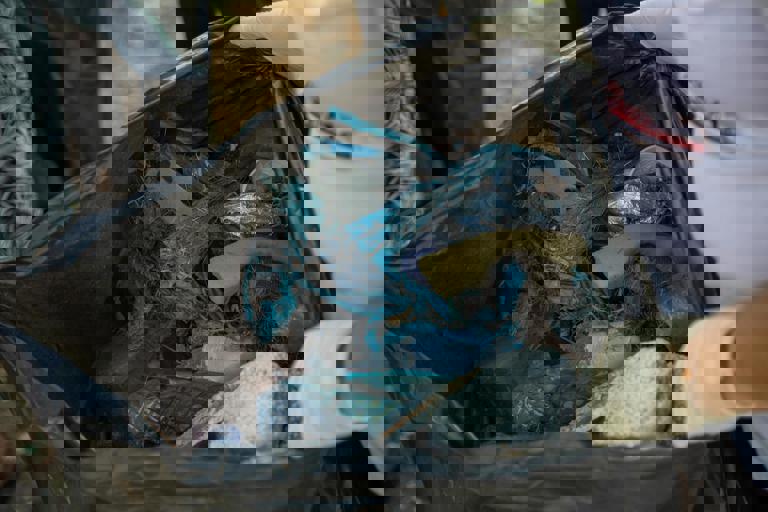
In a sweeping new development, federal legislators have introduced a national policy aimed at phasing out single-use plastics by 2027. The plan, announced in Parliament this week, sets forth an aggressive timeline for banning a broad range of plastic packaging and disposable products. Lawmakers argue that this initiative is crucial for environmental sustainability, as single-use plastics continue to contribute significantly to landfill waste and marine pollution across Canada.
The proposed policy will target items such as plastic grocery bags, straws, cutlery, takeout containers, and certain types of plastic packaging frequently used in retail. According to Environment Minister Sophie Tremblay, the government intends to implement bans in stages, providing industries with guidelines and deadlines for compliance. She emphasized that this measure not only addresses waste but also signals Canada’s commitment to leading global environmental efforts.
Environmental groups have welcomed the plan as a landmark victory. “This is a significant step forward in reducing harmful pollution and protecting our natural habitats,” said Marie Belanger, spokesperson for Clean Seas Canada. She cited data showing that more than three million tonnes of plastic waste are produced in the country each year, with less than 10% being recycled. These organizations stress the urgent need to act, referencing studies linking plastic debris with wildlife mortality and ecosystem degradation.
Despite widespread praise from environmental advocates, the plastics industry has voiced strong reservations regarding the policy’s feasibility and potential economic fallout. Industry representative David Chen argued that such rapid timelines could disrupt supply chains and force the closure of manufacturing facilities. "We are concerned about the potential loss of thousands of jobs and the impact on small businesses that rely heavily on plastic packaging,” he explained during a press briefing.
Many business leaders, particularly within the food and retail sectors, are concerned about the transition costs of switching to sustainable alternatives. For example, biodegradable and compostable packaging materials often come at a premium compared to traditional plastics. The Retail Council of Canada estimates that conversion costs could reach hundreds of millions of dollars industry-wide, expenses that may ultimately be passed on to consumers through higher prices.
The government, however, insists that long-term environmental and health benefits outweigh short-term economic challenges. In a statement, Minister Tremblay pointed to international case studies where similar bans have led to increased innovation in materials science and the growth of green jobs. Public health experts have also noted potential benefits from reduced environmental toxins, as microplastics increasingly contaminate food and water supplies worldwide.
Policymakers are keenly aware of the need for a balanced transition. To aid compliance, the policy includes provisions for tax incentives and grants to support businesses investing in alternative materials. Education campaigns are expected to inform consumers about the new regulations and promote a culture of reuse. Furthermore, the government is promising ongoing stakeholder consultations to address technical and economic concerns throughout the implementation process.
The public response to the single-use plastics phase-out has been largely positive, with opinion polls indicating that a majority of Canadians support stricter regulation of plastics. Community groups and schools are launching grassroots campaigns to raise awareness and encourage reusable habits at home and in workplaces. One teacher in Vancouver, Sylvia MacDonald, said her students are "excited to be part of a movement that makes a tangible difference for the environment."
As the legislative process advances, lawmakers and industry representatives are expected to engage in further debate over regulatory details, economic assistance packages, and benchmarks for measuring progress. The final shape of the policy will likely reflect compromises between environmental priorities and economic realities. Nevertheless, experts agree that this ambitious national strategy could establish Canada as a frontrunner in the global battle against plastic pollution, setting a precedent for others to follow.