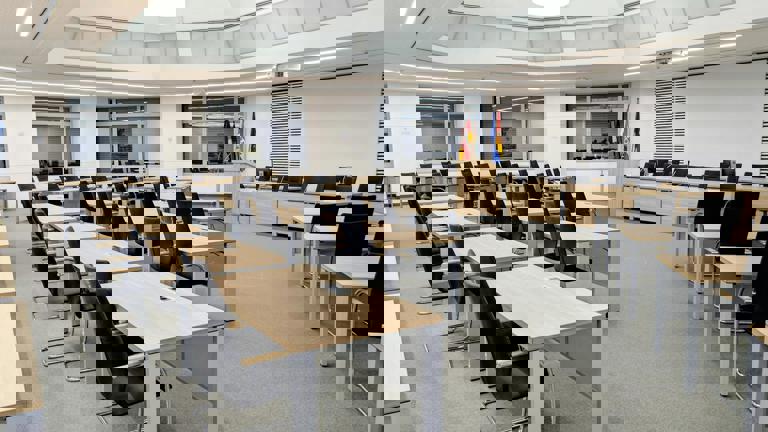
A contentious policy debate has unfolded in Canada’s House of Commons as lawmakers consider proposals to raise the minimum voting age for federal elections. The topic—long a source of discussion among political scientists and advocacy groups—has suddenly gained urgency as a small bloc of Members of Parliament (MPs) introduced a private member’s bill that would increase the minimum age from the current 18 years to 21. The prospect has sharply divided political parties and ignited widespread public discussion about democratic inclusion and representation.
Supporters of the proposed change argue that raising the minimum voting age would promote more informed civic participation and ensure that voters possess the maturity and life experience necessary to make such consequential decisions. Conservative MP Daniel Harper, one of the bill’s co-authors, stated during a packed parliamentary session, “We need to recognize that the responsibilities and challenges facing modern voters have grown, and safeguarding the integrity of our democracy requires thoughtful reforms.”
Opposition to the initiative has been vocal and robust, with critics maintaining that the move would undermine democratic rights and disenfranchise thousands of politically engaged young Canadians. Liberal MP Sophie Tremblay argued, “Our youth demonstrate passion, engagement, and a deep understanding of the issues that affect them, from climate action to education. Raising the voting age is a step backwards for democracy.” Many advocacy groups have echoed these sentiments, staging rallies and launching online campaigns to defend youth suffrage.
Academic experts have weighed in on the debate, citing international research on the impact of voting age policies. Dr. Caroline Singh, a political science professor at the University of British Columbia, referenced studies from Austria and Scotland—both of which have successfully lowered their voting age to 16 for some elections. “Countries that include young voters,” she noted, “often witness higher civic engagement and a long-term commitment to democratic participation.”
Statistics also play a critical role in the debate, revealing nuanced patterns of youth participation in federal elections. According to Elections Canada, youth voter turnout in the 2021 federal election was approximately 46%, slightly lower than the national average but still demonstrating significant engagement. Proponents of lower or unchanged voting ages argue that the solution lies not in excluding young voters but in furthering educational initiatives and outreach programs.
Political parties themselves appear divided not strictly along traditional ideological lines but also by generational viewpoints within their ranks. While some senior Liberal and New Democratic Party members have adamantly opposed the increase, a handful of younger Conservatives along with Green Party members expressed concerns about alienating youth voters. The issue has led to unusual cross-party alliances, further complicating the legislative landscape and making predictions about the bill’s fate difficult.
Public opinion polls reflect a society still undecided on the issue. A recent Angus Reid survey revealed that 37% of respondents supported raising the voting age to 21, while 53% opposed it and 10% remained unsure. Notably, support for the proposal was highest among older Canadians, whereas opposition was more prevalent among those under 40. These divisions have sparked broader conversations about generational equity, political engagement, and the nature of Canadian democracy itself.
As parliamentary debate intensifies, the future of the proposed change remains uncertain. The government has called for a comprehensive review, inviting experts, youth representatives, and civil society organizations to present their perspectives at upcoming committee hearings. Regardless of the outcome, the fierce arguments and mobilized public response underscore the continued relevance of civic participation in Canada, reminding the nation that decisions on who gets to vote reverberate through every level of society.